
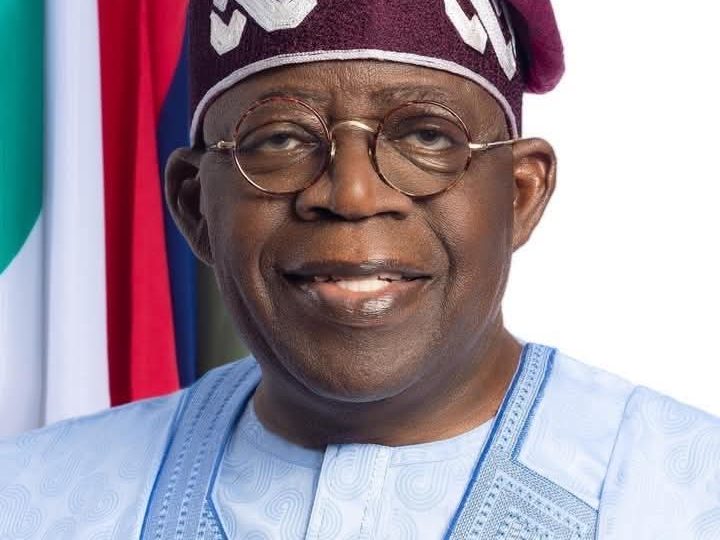
Tinubu Insists on January 2026 Takeoff for New Tax Laws, Dismisses Calls for Delay
Abiola Adigun | Albarka 89.9 FM | Ilorin |Drcember 30 2025
The Federal Government has reaffirmed that Nigeria’s newly enacted tax laws will commence fully on January 1, 2026, despite mounting public debate and calls in some quarters for a pause or review of the reforms.
President Bola Ahmed Tinubu, in a State House press statement issued on Tuesday, said the implementation timeline for the tax reforms remains intact, stressing that no substantial issue has been established to justify disrupting what he described as a “once-in-a-generation opportunity” to reset the country’s fiscal framework.
According to the President, parts of the tax reforms had already taken effect from June 26, 2025, while the remaining provisions are scheduled to begin on January 1, 2026, as earlier announced.
“These reforms are not designed to raise taxes,” Tinubu said, countering widespread perceptions that the new laws will impose additional financial burdens on citizens and businesses. Instead, he explained that the objective is to drive structural reforms, harmonise Nigeria’s fragmented tax system and strengthen the social contract between the government and the people.
The President urged stakeholders to shift focus from speculation to implementation, noting that the reform process has now moved decisively into the delivery stage.
The new tax laws form a core pillar of the Tinubu administration’s economic reform agenda, aimed at expanding government revenue without stifling growth. Over the years, Nigeria’s tax system has been criticised for being complex, overlapping and inefficient, with multiple taxes imposed by different tiers of government and weak compliance across sectors.
The reforms seek to streamline tax administration, harmonise existing levies, close loopholes and improve transparency. Government officials have argued that by broadening the tax base rather than increasing rates, the system will become fairer, more competitive and better suited to fund public services and infrastructure.
Supporters of the reforms say they are critical at a time when Nigeria faces rising public debt, dwindling oil revenues and increasing demands on government spending. They also argue that a predictable and coherent tax regime will boost investor confidence and long-term economic stability.
Despite these assurances, the new tax laws have generated intense public discourse. Critics, including some labour groups, business associations and civil society organisations, have raised concerns about the timing of the reforms amid economic hardship, inflation and declining purchasing power.
There have also been allegations in public debates that certain provisions of the laws were altered or could have unintended consequences for small businesses and low-income earners. These concerns have fueled calls for a suspension or amendment of the laws before their full commencement in 2026.
Addressing the controversy, President Tinubu said his administration is fully aware of the ongoing discussions but maintained that no fundamental flaw has been identified that warrants halting the reform process.
“Absolute trust is built over time through making the right decisions, not through premature, reactive measures,” the President stated.
Tinubu reaffirmed the Federal Government’s commitment to due process and the integrity of laws already passed, while pledging to work with the National Assembly to swiftly resolve any genuine issues that may arise during implementation.
He assured Nigerians that the overriding public interest would continue to guide government actions, adding that the goal remains a tax system that promotes prosperity, fairness and shared responsibility.
The President’s stance signals the administration’s determination to push ahead with fiscal reforms, even as debate over their impact and execution continues across the country.
Leave a reply


Albarka 89.9 FM broadcast opinions and debates in an open, diverse and unbiased style, with the aim of educating and empowering the public.
We also place emphasis on neglected perspectives and discussion on important local, national and global issues, reflecting values of peace, social justice, human rights, democracy, multiculturalism, freedom of expression and social change.
Our arts and music programming cover a wide spectrum of expressions and reflect the diverse culture of our listeners