
Kwara Welcomes Ban on Raw Shea Butter Export, Set to Launch Second Largest Processing Factory in Nigeria
Kwara Welcomes Ban on Raw Shea Butter Export, Set to Launch Second Largest Processing Factory in Nigeria
By Abiola Adigun
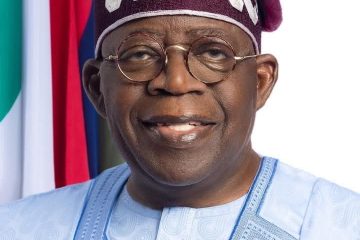
Kwara State is positioning itself as a hub for Shea butter processing, following President Bola Tinubu’s recent ban on the exportation of raw Shea butter. Governor AbdulRahman AbdulRazaq has hailed the decision, saying it would protect local producers, boost value addition, and create new economic opportunities for rural communities.
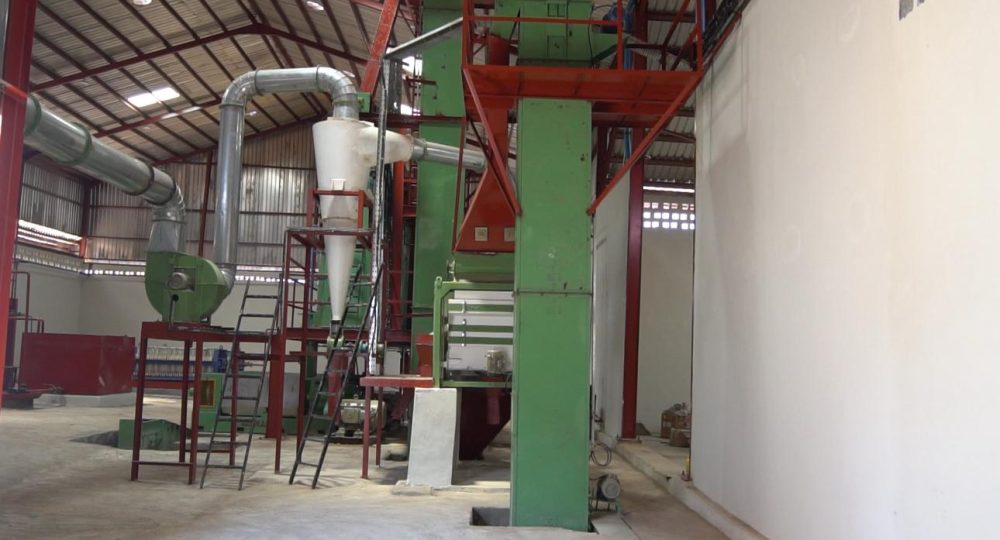
The federal directive comes just as Kwara prepares to commission its 50-tonne capacity Shea butter processing factory in Kaiama, described as the second largest in the country and the biggest to be owned by a state government.
“This project exemplifies backward and forward integration as it combines raw material sourcing, processing, and market access in one locality,” Governor AbdulRazaq said on Tuesday. “Locating the factory within Kaiama puts the people at the centre of local Shea production, ensures local ownership of benefits such as job creation, reduced post-harvest losses, and value retention.”
Nigeria is the world’s largest producer of Shea nuts, accounting for nearly half of global output, yet most of its produce is exported raw, leaving little value for local communities. Analysts say the ban on raw exports could replicate the success recorded in the cocoa and cashew sectors, where processing has increasingly become a driver of revenue and employment.
According to the Food and Agriculture Organization (FAO), value-added processing in the Shea sector could increase Nigeria’s earnings from $300 million annually to more than $1 billion if harnessed effectively.
“Shea butter is sometimes called ‘women’s gold’ because it sustains millions of women farmers in rural Africa,” said Dr. Funmi Adepoju, an agricultural economist at the University of Ilorin. “The new policy, combined with investments like Kwara’s factory, has the potential to transform livelihoods in Kwara North and beyond.”
Kwara and Niger States host some of the largest natural reserves of Shea nut trees. Kwara North alone boasts over 250,000 mature trees across 6,000 hectares of land, making it a natural destination for investment in the Shea industry.
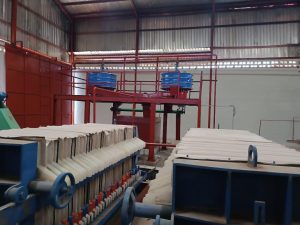
Industry stakeholders believe the Kaiama factory could become a game-changer. By processing Shea butter locally, the state hopes to attract international buyers looking for refined and certified products used in cosmetics, pharmaceuticals, and food manufacturing.
“Instead of selling raw nuts cheaply, processors in Kaiama can now target multinational companies who want quality butter for export,” said Ibrahim Yusuf, a Shea cooperative leader in Kaiama. “This is the kind of development our women farmers have prayed for.”
For many women in Kwara North, Shea nut picking is a major seasonal source of income. However, the absence of processing plants has meant poor returns and exploitative middlemen. The new factory, officials say, will hire local workers directly and provide steady markets for farmers.
“The government is finally recognizing the value of what rural women have been doing for decades,” said Maryam Babalola, a Shea picker from Baruten. “We believe this factory will bring jobs, training, and better prices for our nuts.”
The Kaiama Shea butter factory is one of several economic projects embarked upon by the AbdulRazaq administration to diversify Kwara’s economy. Observers say its success will depend on consistent policies, infrastructure, and access to international markets.
“With the right support, Kwara has the potential to become Nigeria’s Shea capital,” said Dr. Sa’adat Yetunde Yusuf, a lecturer in the Department of Crop Protection at the Faculty of Agriculture, University of Ilorin. She explained that Kwara State’s favorable climate and abundant natural resources create an ideal environment for the growth and harvesting of shea nuts, the raw material essential to the booming shea industry. The state’s farmers, many of whom are women, have long been involved in shea collection and processing, providing a strong foundation for expanding production and boosting local economies.
However, Dr. Yusuf emphasized that realizing this potential requires coordinated support from the government and stakeholders. “Investment in critical infrastructure such as road networks is essential to facilitate the efficient transportation of shea nuts from farms to processing centers and markets,” she said. Poor road conditions currently increase costs and reduce the competitiveness of Kwara’s shea products in both domestic and international markets, Dr Yusuf added.
For now, Kwara’s gamble on Shea appears timely, as Nigeria seeks to reduce its dependence on oil by promoting non-oil exports. If the ban on raw exports is enforced and factories like Kaiama succeed, the rural landscapes of Kwara may soon be buzzing with a new kind of economic life.


Leave a reply


Albarka 89.9 FM broadcast opinions and debates in an open, diverse and unbiased style, with the aim of educating and empowering the public.
We also place emphasis on neglected perspectives and discussion on important local, national and global issues, reflecting values of peace, social justice, human rights, democracy, multiculturalism, freedom of expression and social change.
Our arts and music programming cover a wide spectrum of expressions and reflect the diverse culture of our listeners